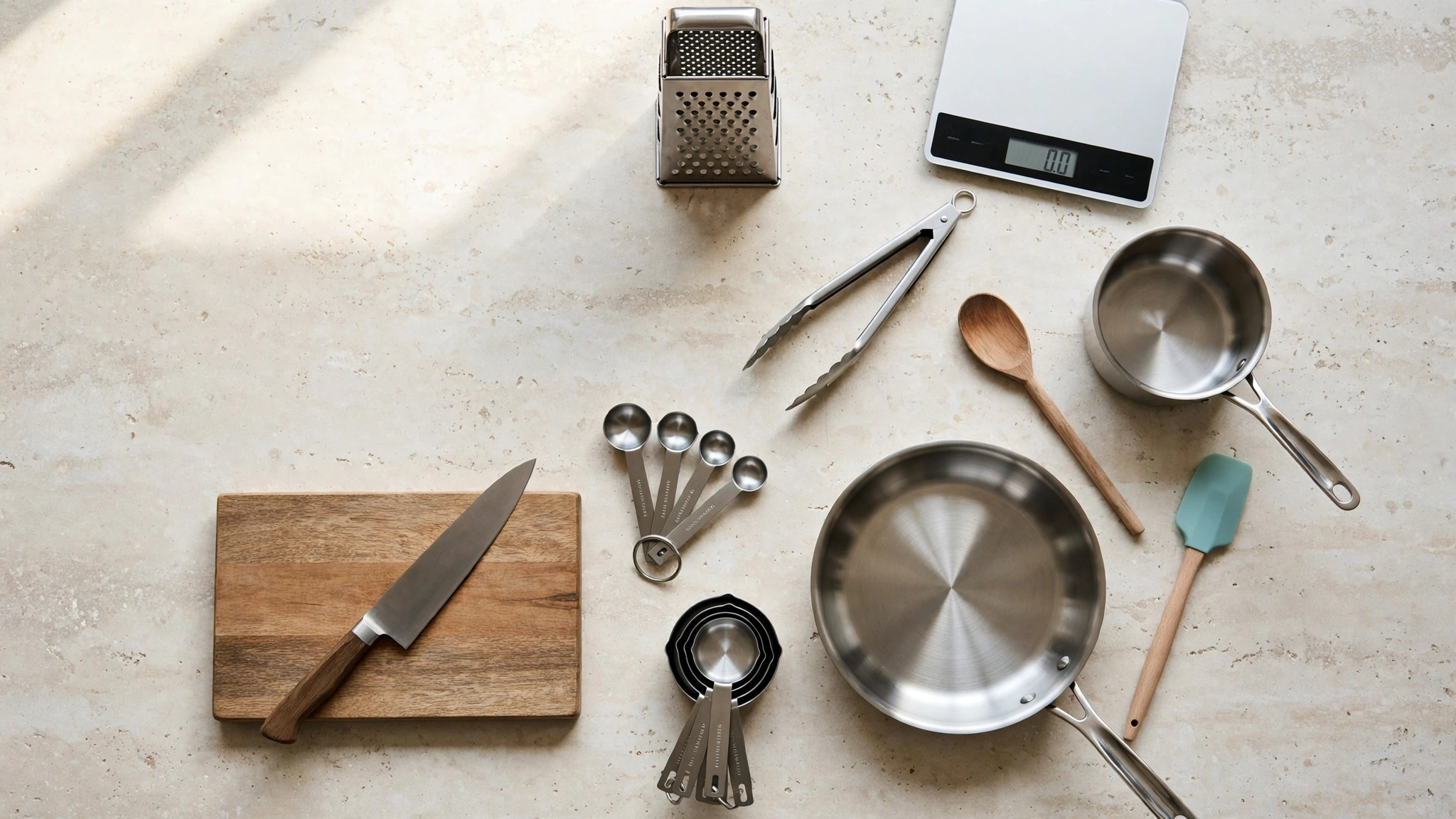
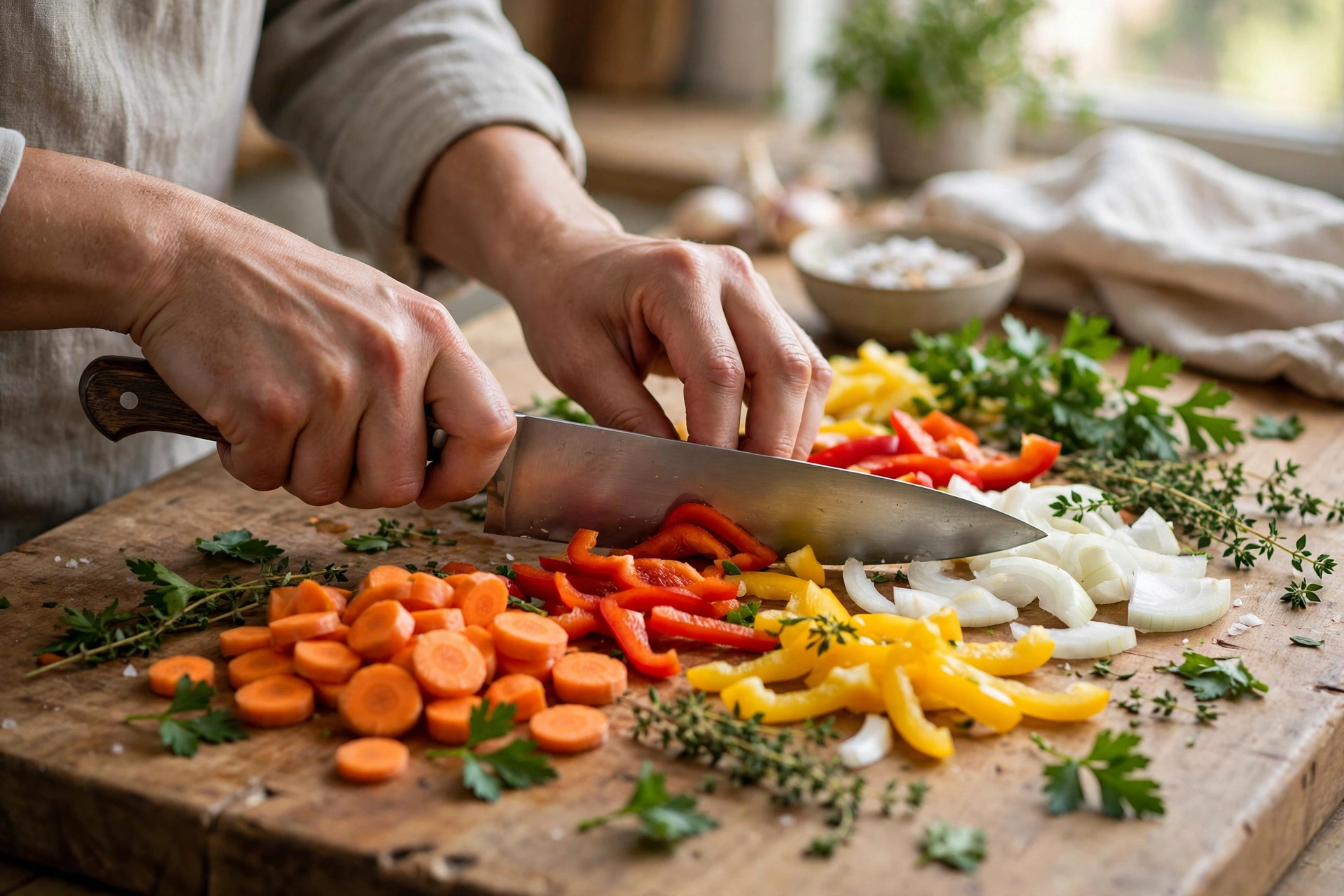
A useful kitchen does not need a drawer full of gadgets. It needs a small set of tools that make common jobs easier, safer, and more consistent. A sharp knife, a stable cutting board, a good pan, and a few basic utensils will cover far more meals than a cupboard full of single-purpose gadgets.
The trick is to buy tools around the way you actually cook. Someone who makes soups and stews needs a different setup from someone who bakes bread every weekend. Start with the essentials below, then add specialist gear when you find yourself repeating a task that your current tools handle poorly.
The essential tools worth owning
Affiliate disclosure: KitchFinds may earn a commission from qualifying purchases made through links in this guide. As an Amazon Associate, we earn from qualifying purchases.
1. A chef’s knife

- For home chefs & professionals. This Fibro Pro chef’s knife has…
- Fit for all tasks. Designed to handle kitchen tasks both big and…

A comfortable chef’s knife is the most useful cutting tool in most kitchens. It handles chopping vegetables, slicing meat, mincing herbs, and breaking down many everyday ingredients. You do not need the longest or most expensive knife. Choose a blade that feels balanced in your hand and gives you enough room to work safely.
For many home cooks, a blade around 20 cm (8 inches) is a practical starting point. If that feels too large, try a 15 cm (6-inch) chef’s knife or a compact santoku. Keep it sharp, wash it by hand, and store it where the edge will not knock against other utensils.
2. A paring knife

- This indispensable knife allows you to dominate kitchen…
- Contemporary, textured handle with a non-slip grip — even when…
A small paring knife is easier to control for peeling, trimming, removing seeds, and small detail work. It does not replace a chef’s knife, but it is handy when a large blade feels clumsy. A simple, comfortable model is enough for most kitchens.
3. A sturdy cutting board
- 【Nature Bamboo for Lasting Strength】 Crafted from premium…
- 【Everyday Versatility with Natural Style】 Simplify daily meal…
A board protects your counter and gives the knife a stable surface. Wood and plastic are both reasonable choices when cleaned and maintained correctly. Wood is pleasant to cut on and can be resurfaced; plastic boards are light and can be easier to sanitize between raw meat and ready-to-eat ingredients.
Choose a board large enough that chopped food does not spill over the sides. A board that slides is unsafe, so place a damp towel underneath if it has no non-slip feet. Keep a separate board for raw meat or poultry if that makes your food-safety routine easier.
4. A large skillet or frying pan

- Versatile Cooking Skillet: The Lodge Cast Iron Skillet is a…
- Pre-Seasoned & PFAS-Free: This pre-seasoned skillet is made with…
A good skillet handles eggs, vegetables, chicken, fish, reheating, and quick sauces. A 25–30 cm (10–12 inch) pan works for many households, but choose a size that matches your burner and the number of people you cook for. Stainless steel is flexible; nonstick is convenient for delicate foods; cast iron and carbon steel are useful for high-heat cooking if you are happy to care for them.
5. A saucepan with a lid

- CONFIDENCE IN EVERYDAY COOKING — Cuisinart stainless steel is…
- EVEN HEAT AND MIRROR FINISH — A pure aluminum encapsulated base…
A medium saucepan is useful for rice, oats, vegetables, sauces, eggs, and reheating small portions. A heavy base helps distribute heat and reduces scorching. A lid that fits well makes it easier to simmer and retain moisture without constantly adjusting the heat.
6. A large pot or stockpot

- EXCEPTIONAL DESIGN: Enjoy mirror finish, classic look and…
- PREMIUM COOKING: Stainless steel cooking surface does not…
If you cook pasta, soup, beans, stock, or meals for several people, a large pot earns its space. You do not need an oversized commercial pot for a small household. Pick one that is large enough for your usual batch and still manageable when full of hot liquid.
7. A heat-resistant spatula
No products found.
A flexible silicone spatula scrapes bowls, folds mixtures, stirs sauces, and helps clean out jars. Check the temperature rating and make sure the handle feels secure. Avoid using a hard metal utensil on coated cookware unless the pan maker specifically allows it.
8. A wooden spoon or sturdy cooking spoon

- ✔ Premium Carbonized Bamboo – Crafted from durable carbonized…
- ✔ Nonstick Cookware Safe – Smooth bamboo utensils protect…
A wooden spoon is simple and comfortable for stirring soups, sauces, and stews. A heat-resistant nylon or silicone spoon can do the same work. Choose one that reaches the bottom corners of your pots and is easy to clean.
9. Tongs

- VERSATILE COOKING TOOL: 12-inch stainless steel cooking tongs for…
- LOCKING FOR STORAGE: Locking mechanism closes tongs for…
Locking tongs help turn meat, toss vegetables, lift pasta, and move hot food without piercing it. A medium-length pair is a good everyday size. Look for a firm grip and tips that will not scratch the cooking surface you use most.
10. Measuring cups and spoons

- [Multiple Sizes]: Including 5 Measuring cups…
- [Premium Material]: Made of Food-Grade Stainless Steel and Food…
Measuring tools are useful when following recipes, baking, or repeating a dish. Dry measuring cups, a liquid measuring jug, and a set of measuring spoons cover most needs. If you bake often, a digital scale is even more reliable because flour and other ingredients can vary greatly by volume.
11. A digital kitchen scale

A scale makes baking more consistent and helps portion ingredients without extra bowls. Choose one with a clear display, a tare function, and a capacity that suits your recipes. It is also useful for coffee, meal prep, and dividing dough evenly.
12. A colander or fine-mesh strainer
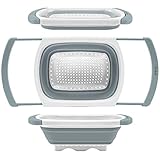
- Foldable and Space Saving Design – Ergonomic, space-saving…
- Large Capacity – The Kitchen Strainer can holds 6 quarts of your…
A colander drains pasta and rinses vegetables. A fine-mesh strainer catches seeds, drains small grains, sifts dry ingredients, and strains sauces. If cupboard space is limited, a sturdy medium strainer can handle many jobs, though it will not replace a large colander for a full pot of pasta.
13. A vegetable peeler

- Smooth, Effortless Peeling – Dual Stainless Steel blades stay…
- Save Time, Less Waste – Skins peel off quickly like they are…
A sharp peeler removes thin skins from potatoes, carrots, apples, and other produce with less waste than a dull blade. Choose a comfortable handle and a blade that moves smoothly. A basic swivel peeler is inexpensive and does the job well.
14. A box grater

- 4-SIDED BOX GRATER: Four stainless steel surfaces offer coarse…
- DETACHABLE CONTAINER: Attached container catches freshly grated…
A box grater handles cheese, carrots, potatoes, citrus zest, and other ingredients. It gives you several textures without needing separate gadgets. Watch your fingers near the end of a small piece of food, and clean the grater before residue dries in the holes.
15. An instant-read thermometer

- Instant Read Meat Thermometer | Our instant read thermometer…
- Multi-Use | From bbq thermometer to baking thermometer, our…
A thermometer takes guesswork out of checking meat, poultry, fish, and reheated dishes. It is more reliable than judging doneness by colour or cooking time alone. Choose a fast-reading model with a probe that is easy to clean, and follow current food-safety temperature guidance for the foods you prepare.
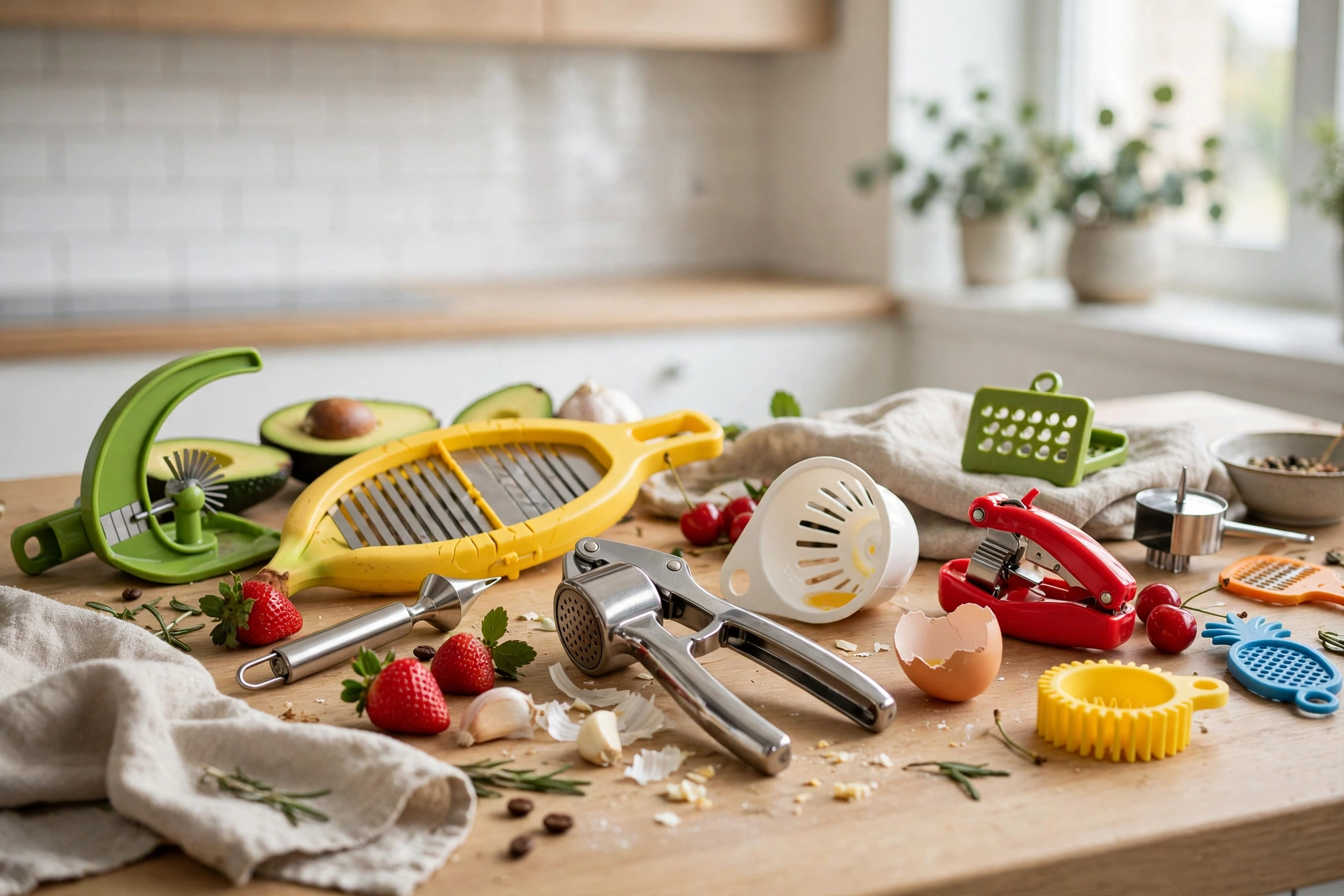
Ten kitchen tools you can usually skip
These products are not useless. Some are fun or helpful for people who use them often. They are simply poor first purchases for a typical home kitchen because another tool can do the job or the task does not come up often enough.
- 1. Avocado slicer: A paring knife and spoon handle the same job. Use care with the knife and avoid trying to catch the avocado in your palm.
Sale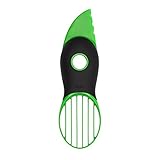 OXO Good Grips 3-In-1 Avocado Slicer – Green | Avocado Tool To Cut, Remove Pit, Slice & Scoop, No…
- All-in-one tool splits, pits and slices avocados
- Removes pit and fruit from avocado—no knife needed
$9.59Buy on Amazon - 2. Banana slicer: A regular knife slices a banana quickly, with no extra gadget to wash or store.
 Tulobi 2-Piece Fruit Slicer Set, Stainless Steel, Mini Cup Slicer, Quick Salad Maker, Creative…
- 【Package Content】You will receive 2PCS banana cup slicers in…
- 【Durable Material】Cup slicer is made of 304 stainless steel…
- 3. Strawberry huller: A small paring knife removes the leafy top and core just as well for occasional use.
Sale Chef’n Strawberry Huller Stem Remover Fruit Corer Tool Red | Removes leafy tops & pale cores…
- PERFECT GADGET FOR THE JOB: Quickly and easily de-stem…
- FUN FRUIT PREP: With a push of a button and a simple twist, the…
$5.94Buy on Amazon - 4. Garlic press: It can save time, but a chef’s knife and a little salt can mince garlic. Presses also have small holes that can be annoying to clean.
 OXO Good Grips Garlic Press, Garlic Crusher, Self Cleaning Tool, Black | Easy cleanup, garlic masher…
- Garlic Press with Built-In Cleaner: This garlic mincer has a…
- Built-In Cleaner: Flip the top handle over to push out leftover…
- 5. Egg separator: Use the shell halves or your clean hands to separate eggs. A separator is only worth it if you do this often and prefer the tool.
No products found.
- 6. Single-purpose herb scissors: A sharp knife and cutting board chop herbs neatly. Scissors can bruise delicate leaves and take longer to clean between blades.
 X-Chef Multipurpose 5 Blade Herb Scissors | Kitchen Herb Shears Herb Cutter with Safety Cover and…
- TIME SAVING: X-Chef 5-blade herb shear set is equivalent to…
- QUALITY DESIGN: Heavy-duty steel rivet holds the 5 sharp blades…
- 7. Dedicated quesadilla maker: A skillet makes quesadillas and can be used for many other meals.
 Taco Tuesday Deluxe 10-inch 6-Wedge Electric Quesadilla Maker with Extra Stuffing Latch, Red
- UNIQUE COOKING PLATE: When the lid closes, the design of the…
- EXTRA STUFFING LATCH: A two-position latch on the lid adjusts to…
$32.99Buy on Amazon - 8. Electric can opener: A manual opener takes little space and works without a power outlet. An electric model may help if grip strength or mobility is an issue.
Sale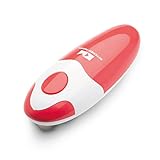 Kitchen Mama Auto Electric Can Opener, Battery Operated, Red | Automatic, Hands Free, Smooth Edge…
- Effortless Can Opening: Hand free operation for seniors…
- Smooth & Safe Edges: Our blade cuts along the side of the can…
- 9. Special avocado storage pod: An airtight food container is more versatile. Refrigerate cut produce promptly and follow safe storage practices.
Sale SOOPLEU Avocado Saver & Onion Storage, 4Pcs Silicone Fresh Produce Holder | Keep avocados fresh…
- Upgrade Design: Avocado Keeper, The container’s edge is designed…
- Premium Material: Airtight food containers storage now features a…
$11.28Buy on Amazon - 10. A large collection of novelty measuring gadgets: A standard set of cups, spoons, and a scale covers most recipes more accurately.
 Magnetic Measuring Spoons Set with Strong N45 Magnets, Heavy Duty Stainless Steel Metal, Fits in…
- Durable & Premium Quality: Made from heavy-duty, single metal…
- Magnetic & Convenient Storage: Easily nest and store these…
How to build a kitchen kit without wasting money
Buy the core tools first, then cook with them for a few weeks. Keep a short note of tasks that feel awkward or take too long. If you repeatedly struggle to zest citrus, grind spices, or make smooth purees, that is a reason to consider a specialist tool. A gadget should solve a problem you actually have.
Spend more on items you use every day and that affect safety or results. A comfortable knife, stable board, and well-made pan deserve more thought than a decorative utensil. For measuring cups, peelers, and spoons, a basic model can be perfectly good if it is accurate and sturdy.
Check the cleaning instructions before buying. A gadget with tiny crevices or several detachable parts may be less useful than it looks. If you hate washing it, you will probably stop reaching for it. Also check whether parts can go in the dishwasher, but do not assume every handle, blade, or nonstick surface can.
Match the kit to your cooking style
For quick weeknight meals: Prioritize a chef’s knife, board, skillet, saucepan, tongs, spatula, and instant-read thermometer. These cover chopping, sautéing, simmering, turning, and checking doneness.
For baking: Add a digital scale, measuring spoons, mixing bowls, a whisk, a sturdy spatula, and the pans your recipes call for. Accurate weighing makes a bigger difference than buying a cupboard of specialty cutters.
For soups and batch cooking: A large pot, ladle, cutting board, chef’s knife, colander, and storage containers will see regular use. A blender or immersion blender can be a later purchase if smooth soups are part of your routine.
For small kitchens: Choose nesting measuring cups, a board that fits your counter, a medium pot, and tools that perform more than one job. Store knives safely and avoid buying bulky equipment until you know where it will live.
Kitchen tool priority checker
Build your starter kit
Use these prompts to decide what deserves space in your kitchen.
I cook most days
Start with a chef’s knife, cutting board, skillet, saucepan, tongs, spatula, and thermometer.
I bake every week
Add a digital scale, measuring spoons, mixing bowls, whisk, and flexible spatula.
I make soups and large batches
Prioritize a stockpot, ladle, colander, storage containers, and an immersion blender if you often puree food.
I rarely use a gadget
Before buying it, ask whether a knife, pan, strainer, or other tool you own can do the same job safely.
Simple rule: buy for a repeated task, not for a task you might do once.
Keep your tools in good shape
Wash knives by hand and dry them before storage. Keep cutting boards clean, and replace plastic boards when deep grooves become difficult to clean. Check pan handles and utensil heads now and then; loose or cracked parts can become a safety problem. Store sharp tools so the edges do not rub against other metal objects.
A well-chosen kitchen kit is not measured by how many pieces it contains. It is measured by how often those pieces help you cook. Start with the essentials, learn what your routine is missing, and let actual use—not a gadget trend—decide what you buy next. For another useful kitchen tool, see our guide to choosing an instant-read kitchen thermometer.
Build a Starter Kit in Stages
A practical first kitchen kit can be smaller than the full list above. Start with one comfortable chef’s knife, a stable cutting board, one skillet, one saucepan with a lid, a pot sized for your household, a heat-safe spatula, a spoon, tongs, a colander, and a reliable way to measure ingredients. Add a digital scale if you bake regularly or want repeatable portions. A thermometer is especially useful for checking meat and reheated foods safely.
Before buying a specialist gadget, ask three questions: How often will it be used? Does it do a job that an existing tool cannot do safely or efficiently? Is it easy to clean and store? If the answer to the first two is uncertain, borrow one or wait until the task becomes a regular part of your cooking. Avoid buying duplicate tools just because a set offers a discount.
Choose Materials for the Job
Use heat-resistant utensils with coated cookware, a stable board that will not slide, and storage that protects knife edges. Check that plastic tools are rated for the temperatures they will encounter and replace cracked, melted, or badly worn pieces. Measuring cups intended for dry ingredients are not interchangeable with a liquid measuring jug for every recipe; a kitchen scale is often more consistent for flour and baking ingredients.
What You Can Skip Depends on Your Cooking
A gadget is not universally unnecessary just because many households do not need it. A mandoline may be useful for someone who regularly slices large quantities, but it requires a hand guard and careful storage. A rice cooker may be worthwhile if rice is a frequent staple. The sensible way to skip clutter is to match each purchase to a real, repeated task rather than following a fixed list of gadgets that everyone supposedly needs or should avoid.
Manufacturer and safety references
These authoritative resources support the care, safety, or product-information points discussed above. Always follow the current instructions for your exact model.
How this guide was researched
This guide compares products using manufacturer product information, published specifications, available manuals, compatibility and warranty details, and the features that matter for the intended use. Where useful, available owner feedback and independent coverage provide additional context. Product details can vary by model and generation, so confirm the exact version, included accessories, and current manufacturer guidance before buying.


Leave a Reply